


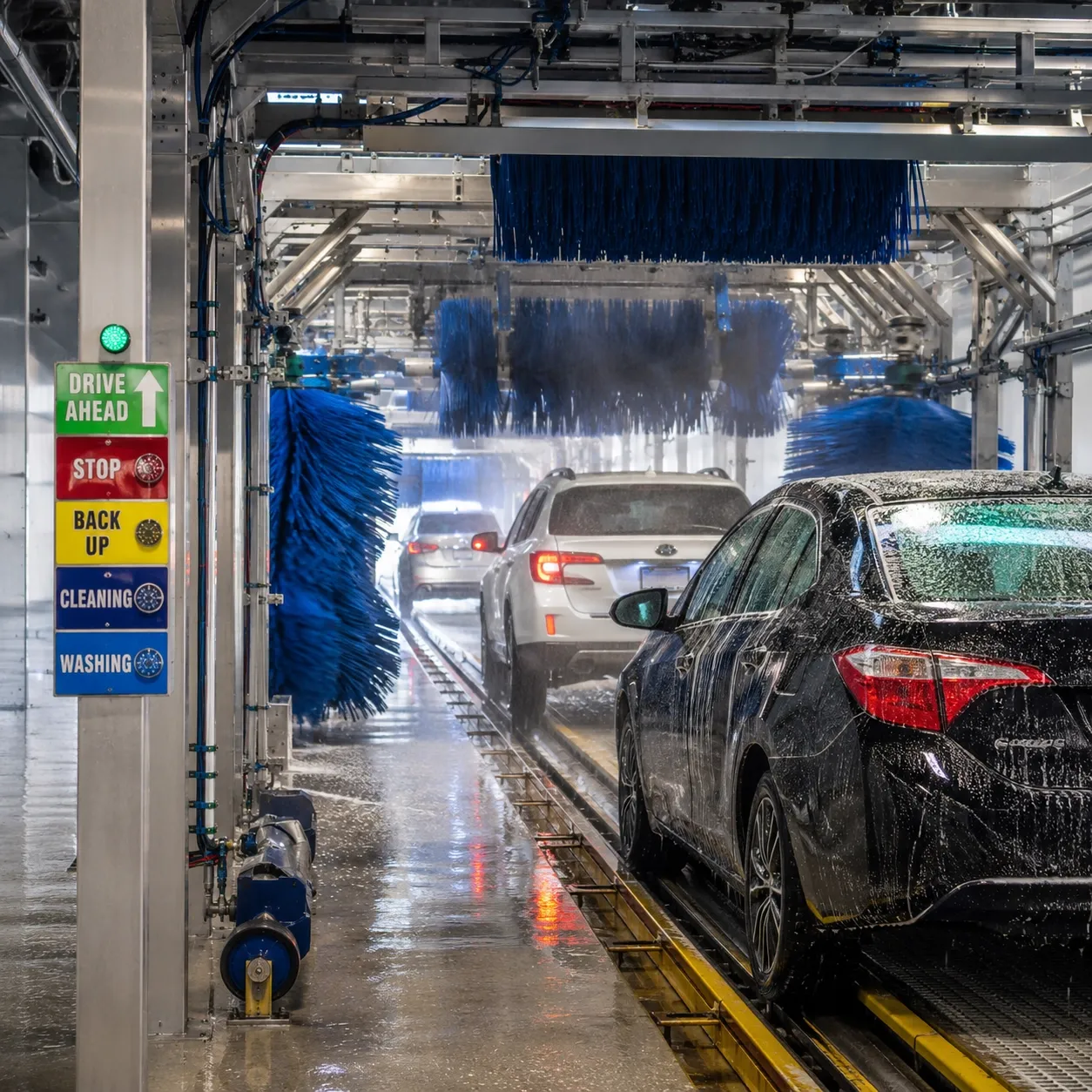
The modern car wash is a highly automated machine, and like most automated systems, it depends on reliable sensing technology to function correctly. Photoelectric sensors — commonly called photo eyes — are at the heart of car wash control systems, and their selection, installation, and maintenance have a direct impact on wash quality, uptime, and customer experience.
Why Sensors Matter in a Car Wash
A car wash control system cannot see the vehicles it processes. Without sensors, the system would have no way of knowing when a vehicle is present, how long it is, how tall it stands, or when it has fully exited the bay. Sensors provide the control system with real-time information about vehicle position and dimensions, enabling the wash equipment to respond appropriately at every stage of the process.
Photoelectric sensing systems have become the preferred detection method in modern car wash installations because they offer non-contact detection, long sensing ranges, and the ability to withstand the wet, chemically aggressive environment of a car wash bay. Unlike mechanical treadle plates — the pressure-sensitive strips embedded in the floor — photo eyes require no physical contact with the vehicle and have no moving parts to wear out under repeated use.
Key Applications for Photo Eyes in the Car Wash
Vehicle Detection and Wash Initiation
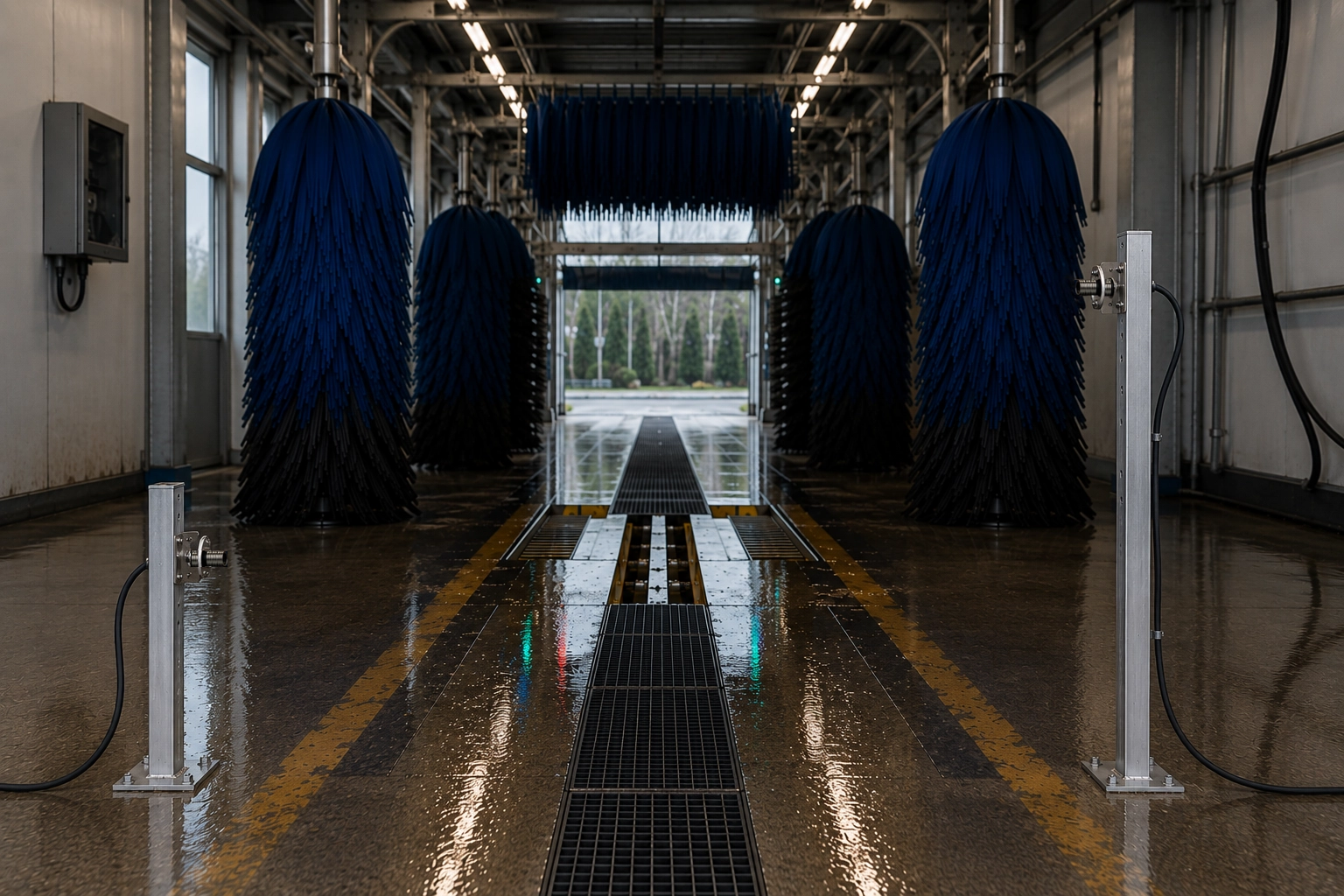
The most fundamental application is detecting when a vehicle enters the wash bay. A photo eye pair positioned at the bay entrance breaks the circuit when a vehicle pulls in, triggering the control system to begin the wash sequence. Proper mounting height and sensitivity adjustment are critical here to ensure reliable detection of all vehicle types, from low sports cars to tall pickup trucks and SUVs.
Vehicle Profiling and Measurement
More advanced installations use multiple photo eye pairs to measure the length and height profile of the incoming vehicle. This allows the control system to adjust wash parameters — such as the speed and position of wrap-around brushes, the height of overhead equipment, and the duration of rinse cycles — to match the specific vehicle being washed. Accurate profiling reduces the risk of equipment contact with antennas, mirrors, and other protruding parts.
Door and Gate Control
Rollup doors at the entry and exit of the wash bay are typically controlled by photoelectric sensors. The sensors detect when a vehicle is approaching the door and when it has fully cleared, signaling the door controller to open and close at the appropriate times. Fail-safe wiring configurations — where the door opens on loss of signal rather than on presence of signal — are standard practice to prevent a door from closing on a vehicle in the event of a sensor failure or power interruption.
Equipment Triggering and Positioning
Throughout the wash sequence, photo eyes trigger specific pieces of equipment as the vehicle reaches predetermined positions. High-pressure pre-soak arches, foam applicators, tire scrubbers, dryers, and spot-free rinse systems are all candidates for photo eye control, ensuring each piece of equipment activates and deactivates at precisely the right moment.
Selecting the Right Photo Eyes for the Car Wash Environment
The car wash environment is among the most challenging for photoelectric sensors. Constant moisture, chemical spray, steam, soap foam, and temperature fluctuations all put sensors to the test. Selecting sensors engineered for this environment is non-negotiable.
IP67 Ingress Protection Rating
The minimum acceptable ingress protection rating for a car wash photo eye is IP67. This rating confirms that the sensor housing is completely dust-tight and can withstand temporary immersion in water to a depth of one meter. Sensors not rated to at least IP67 are at high risk of internal moisture damage that will cause erratic outputs, premature failure, or permanent damage.
Sensor Body Material
Photo eye bodies are available in plastic, nickel-plated brass, and stainless steel. For car wash applications, stainless steel or robust UV-stabilized plastic housings are preferred. Nickel-plated brass can corrode over time when exposed to the acidic or alkaline chemistry of car wash solutions. Stainless steel provides the best combination of durability, corrosion resistance, and longevity.
Sensing Range
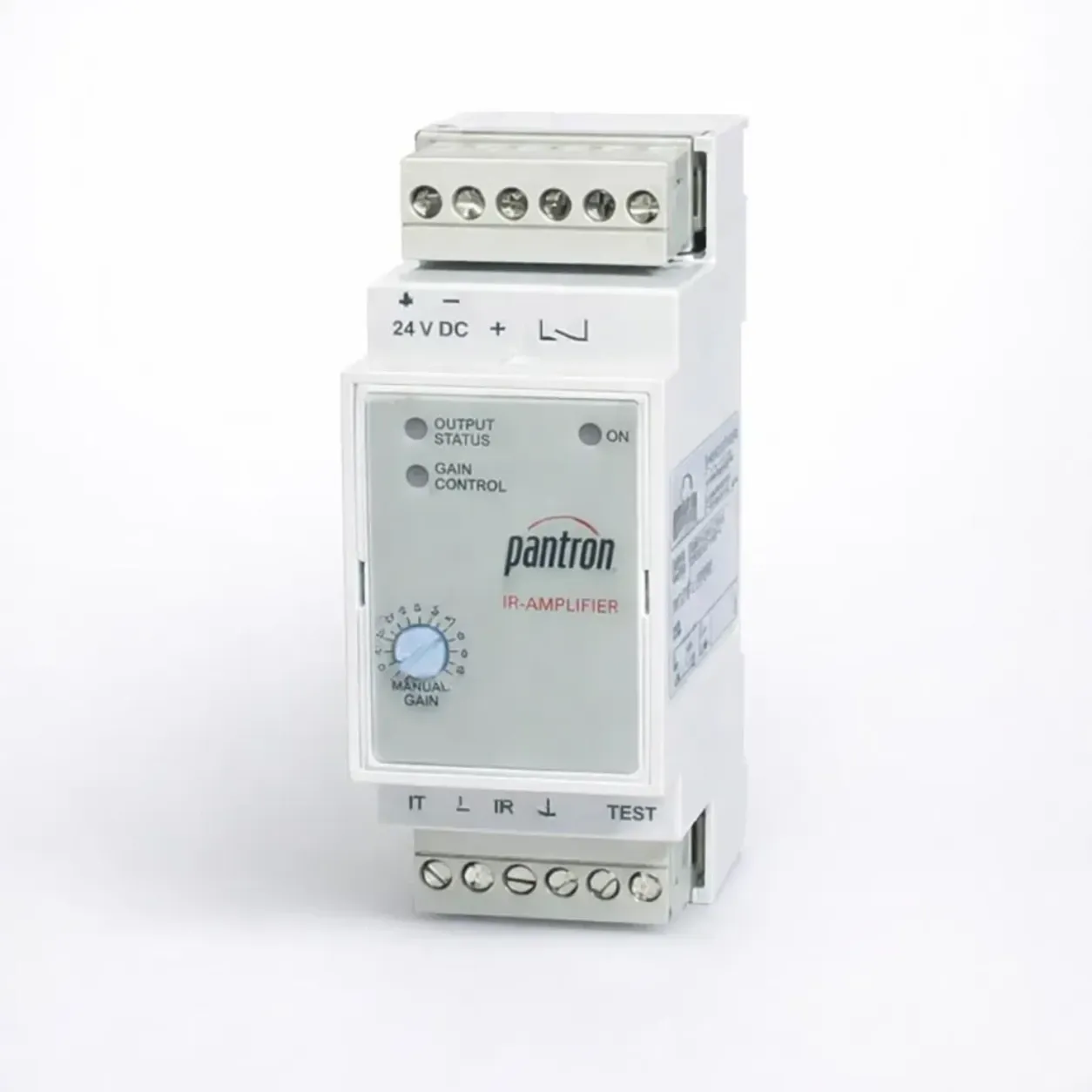
The sensing range of the photo eye system should comfortably exceed the width of the widest vehicle the wash will encounter, with additional margin for misalignment. A strong infrared beam with sufficient reserve power is better equipped to cut through steam, mist, and soap accumulation on the sensor face without generating false outputs. Systems with external amplifiers and adjustable gain allow fine-tuning of sensitivity after installation.
Quick-Disconnect Wiring
IP67-rated quick-disconnect cables simplify installation and future maintenance. Pantron Automation's M12 quick-disconnect photo eyes and cables are a popular choice in car wash installations because they allow sensor replacement without cutting and re-splicing wires — a significant advantage in a water-rich environment where improper splices are a leading cause of sensor system failures.
Installation Best Practices
- Mount photo eyes so that one sensor is positioned high and the opposite sensor is positioned low, forming a diagonal beam path. This maximizes the probability that any vehicle crossing the bay will break the beam reliably.
- Use conduit rated for wet locations and seal all conduit entry points to prevent water migration along the cable path.
- Run sensor wiring in separate conduit from motor control wiring to prevent electrical interference that can cause false outputs.
- Position sensors away from high-pressure spray nozzles where direct water impact could shift alignment over time.
- Allow easy access for periodic cleaning and alignment checks.
Maintenance Recommendations
Photoelectric sensors in car wash applications are low-maintenance compared to mechanical alternatives, but they do require periodic attention.
Alignment checks should be performed monthly. Use a length of string or wire pulled taut between the two sensors to verify they are pointing directly at each other. Even minor misalignment reduces the beam's effective power margin against environmental interference.
Lens cleaning is important in car wash environments where soap and mineral deposits can accumulate on the sensor face. Use a soft, lint-free cloth with a mild cleaner. Avoid abrasive materials that will scratch the lens.
Connection inspection should be part of any scheduled maintenance round. Check for moisture intrusion at connector points, corrosion on terminals, and any signs of cable jacket damage. Damaged cables in a wet environment are a direct path to sensor failure.
Enclosure integrity on external amplifier boxes must be verified periodically. Check that gaskets are seated correctly and that no water has penetrated the enclosure.
Investing in quality photo eye systems from the outset — and following a consistent maintenance schedule — pays dividends in reduced downtime, fewer service calls, and a better overall experience for both operators and customers.